
HMDD Joggers Owner Review Fabric and Feel
An Progression of HMDD: Starting as a Idea Into the Streetwear Mainstay
Where HMDD comes from begins the way every streetwear label does — with an idea — but in this case it was a line that refused to be forgotten: «Happy Memories Don’t Die.» That idea, condensed into HMDD, has grown from a minor design idea into an established presence in today’s streetwear scene. The label’s growth arc reflects a wider trend in how indie labels carve out a presence — not through massive ad budgets, but through a steady brand voice, a distinct visual language, and clothing people genuinely reach for every day. This article traces that evolution, explores what makes HMDD clothing distinct in a crowded market, and gives an honest breakdown of where the brand stands heading into 2026.
Streetwear as a fashion niche-turned-mainstream has grown up in a major way across the last ten years. What was once a small scene built around graphic tees and limited drops has broadened out into a complete lifestyle wardrobe, stretching across everything from outerwear to loungewear. HMDD entered this landscape with a name-first strategy: the phrase «happy memories dont die» isn’t just a tagline, it’s a philosophy stitched into the brand’s approach to design, marketing, and community building. It’s worth unpacking that philosophy before exploring the product details.
How the HMDD Concept Originated
HMDD wasn’t born in a corporate boardroom. Like many streetwear labels, it originated as a low-key initiative constructed on one core concept: memories, most notably the good ones, deserve to be preserved and worn rather than tucked away in photo albums. The brand name on its own operates as both an identity marker and a guiding principle. A full phrase that fans could quote, ink, or caption online — rather than abstract logos or borrowed slang — became what HMDD founded its identity on, turning out to be a smarter long-term move than a generic icon alone.
In the early days, its production was limited. Limited-run drops, a small lineup of graphic tees, and word-of-mouth marketing got it through its first phase. Such a trajectory is a well-known pattern within streetwear culture — labels such as early Supreme or Bape began just as modestly before growing into fuller collections. HMDD took a hmddla.net/shorts-sweatpants similar route, leaning on limited availability and meaning-driven design to cultivate a devoted early following rather than going after widespread popularity from the outset.
What distinguished HMDD rise above so many other startup labels was a steady, unified message. Each release doubled down on the same emotional core: a longing for the past, the ability to bounce back, and the idea that the best memories outlive difficult moments. Instead of chasing every trend, that consistency is largely why the brand keeps its momentum into 2026 rather than fizzling out after a few seasonal cycles.
The Transformation out of Graphic T-Shirts into a Complete Closet
following chapter in HMDD’s evolution meant widening the product range beyond tees and hoodies. HMDD sweatpants and HMDD shorts became key additions, transitioning the brand from a t-shirt-centric brand into a fuller loungewear and streetwear system. The move carried weight since sweatpants and shorts are frequently repurchased items — customers who buy one pair often circle back for a second or third, particularly when sizing and material weight meet what they’re looking for.
HMDD sweatpants are typically positioned as an daily go-to rather than a standout item, which matches the brand’s wider identity. Unlike tees, sweatpants and shorts aren’t built around bold graphics — instead, their success hinges on fit, stitching quality, and real-world comfort. Expanding into this category signaled that HMDD wanted longevity as a all-around clothing label, not just notice as a t-shirt company with a clever name.
Shorts followed a comparable logic. HMDD shorts close the gap between dressier streetwear and pure athletic wear, giving customers a piece that works for relaxed hangouts, workouts, or simply lounging. This category expansion is one of the clearest signs of brand maturity — moving from single hero items to a wardrobe system customers can build a full rotation around.
The HMDD Review Experience, Broken Down
Look up an honest hmdd review online, and one pattern stands out: customers repeatedly mention fit, print durability, and overall comfort as key deciding points. Streetwear buyers today are more educated than they were ten years ago. Before committing to a purchase, they compare stitching, look into fabric weight, and read reviews — especially when a brand doesn’t have a flagship retail presence in every city.
Favorable comments in HMDD review threads often focus on the brand’s ability to keep its message coherent across product types — the «happy memories don’t die» phrase appears with intention rather than being stamped onto every item without purpose. Negative comments, when present, tend to focus on sizing consistency, which is a recurring issue across nearly every growing streetwear label as they scale production. When brands take this kind of feedback seriously, they typically course-correct quickly — and HMDD’s steady stream of product updates suggests genuine listening rather than stagnant production.
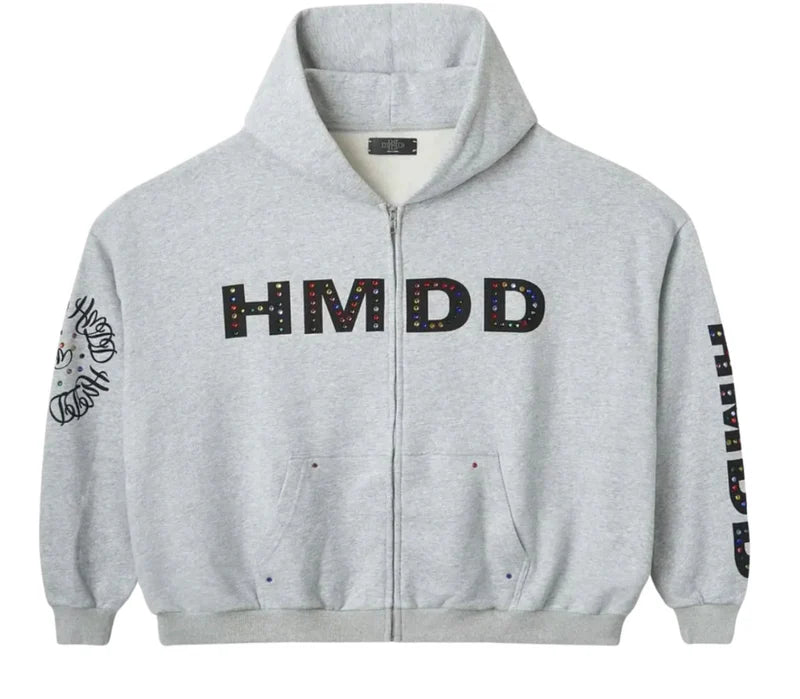
For shoppers trying to determine the best hmdd clothing pieces to start with, reviews regularly highlight the sweatpants and core graphic tees as entry points, with shorts recommended for warm-weather wear. Arguably, this grassroots, review-driven guidance beats any marketing campaign, since it comes straight from people who wore the product day in and day out.
HMDDLA and Its Take on Regional Identity
Streetwear has always had strong regional roots, with HMDDLA — the Los Angeles-associated identity tied to the brand — plays into that lineage. For decades, Los Angeles has acted as a breeding ground for streetwear culture, from skate-shop culture to indie brands that eventually went global. Drawing on an Los-Angeles-rooted identity lets the brand plug into a well-established West Coast streetwear lineage, which gives shoppers a geographic anchor point to relate to beyond just the product itself.
This city-tied marketing approach isn’t unique to HMDD, yet in this case it’s done deliberately. Rather than merely tacking a place name onto the product box, the HMDDLA spin strengthens the label’s larger story: memories bound up with geography, time, and belonging. What shoppers get is a story to embrace, not simply a purchase.
Growing a grassroots following is likewise strengthened by local identity. Neighborhood pop-up events, brand partnerships, and word-of-mouth momentum in a specific city typically create stronger brand loyalty than strictly digital-only labels. Whether HMDDLA stays a key piece of the brand’s identity through 2026 will likely depend on how much the label continues to invest in physical presence versus staying chiefly online-focused.
Standard-Issue Street-Style Rivals Versus the HMDD Line
In order to grasp where HMDD lands in the market, it helps to compare its broad positioning against common patterns seen among streetwear rivals. The chart that follows reflects overall patterns across the segment rather than specific price-for-price matchups, since exact rival pricing shifts all the time.
| Comparison Point | The Way HMDD Positions Itself | Typical Streetwear Competitor |
|---|---|---|
| Brand Message | Fully phrase-based identity («Happy Memories Don’t Die») | Frequently logo-first, message-light |
| Catalog Scope | A lineup of tees, hoodies, sweatpants, and shorts | Varies widely; a lot of them stay centered on tees and hoodies in the initial stages |
| Regional Identity | An identity connected to HMDDLA / Los Angeles | A mixed bag; certain labels avoid regional connections altogether |
| Path to Growth | Beginning from small-batch drops that develop into a complete wardrobe system | Often similar, even though how fast brands scale varies by brand |
| Feedback Process | Active engagement with | Inconsistent industry-wide |
HMDD for 2026: A Look at Its Place
With 2026 on the horizon, HMDD now occupies a position countless indie streetwear brands aim for yet few reach: a recognizable name, an expanding product line, plus a loyal, vocal audience that keeps discussing the brand via feedback and search patterns.
Following the same disciplined pattern seen in other successful streetwear evolutions, the move from a slogan-based idea to a full multi-category apparel label took shape gradually — starting narrow, building loyalty, before scaling out with intention.
A brand thinking beyond a single hero product is what’s revealed by the inclusion of sweatpants and shorts next to the original tee-driven lineup. HMDDLA’s regional identity brings an added sense of place-based authenticity that echoes streetwear’s long-standing roots in specific cities and subcultures. And the ongoing conversation around HMDD review content — encompassing both compliments and constructive feedback — suggests a label persistently refining itself based on actual customer feedback rather than presumptions.
For those weighing whether to try HMDD clothing as a newcomer, the path forward is pretty simple: begin with a core piece, take note of sizing notes from existing reviews, and expand into sweatpants or shorts once comfort preferences are confirmed. The label’s journey from one meaningful phrase into a complete streetwear staple is a reminder that in this industry, clarity and consistency often outlast pure trend-chasing — meanwhile HMDD’s direction heading through 2026 looks like a continuation of that very principle.